Furniture trends in Australian homes for 2026 reflect a clear shift toward intentional, long-term living. The Australian furniture retailing market is valued at AUD 12.6 billion, with homeowners prioritizing comfort, sustainability, and designs suited to the local climate. As homes become more multifunctional, the demand for high-quality, durable pieces is rising, with the broader home furniture sector projected to reach AUD 27.05 billion by 2030.
How Furniture Trends Are Shaping Australian Homes
Several lifestyle and design factors are influencing furniture choices across Australia in 2026:
Open-plan layouts and indoor–outdoor living
Increased work-from-home setups
Demand for durable, climate-appropriate materials
Growing preference for locally made and sustainable furniture
These changes have shaped the most popular furniture styles seen in Australian homes today.
Modern Australian (Organic Modern)
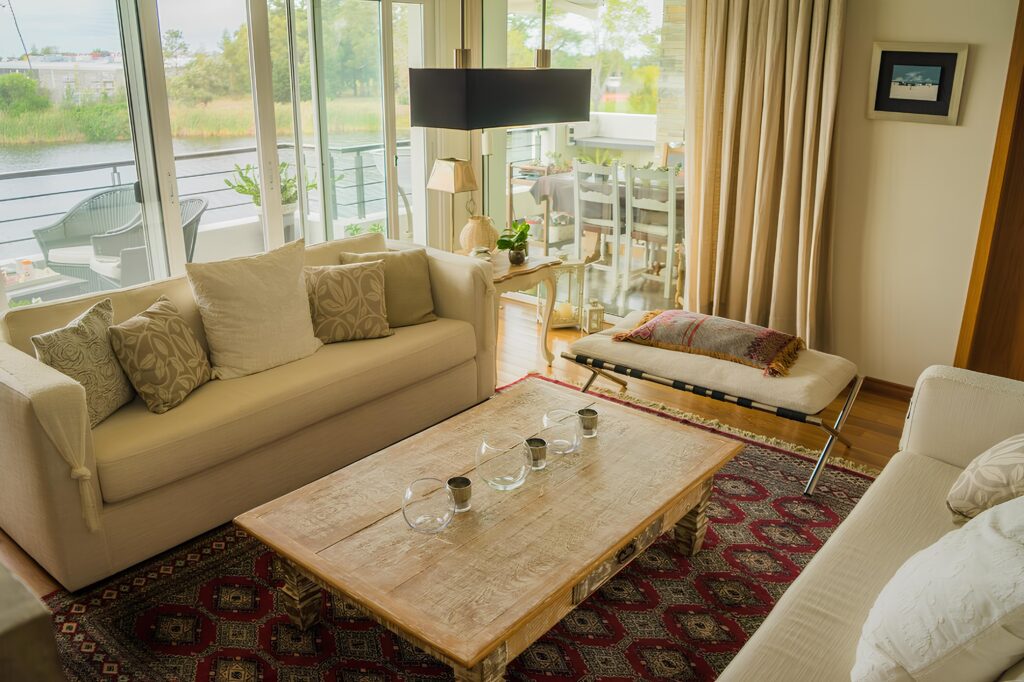
Modern Australian furniture remains the leading style in 2026 because it feels natural, adaptable, and timeless. Instead of sharp minimalism, this style blends contemporary design with warmth and comfort.
Common characteristics include:
Solid timber construction
Soft neutral upholstery
Subtle curves and relaxed silhouettes
Warm, earthy colour palettes
This style works particularly well in open-plan homes where furniture needs to feel cohesive without dominating the space.
Coastal and Hamptons Style
Coastal and Hamptons furniture continues to appeal to Australian homeowners, even beyond beachfront locations. In 2026, the style is more refined and less decorative, focusing on comfort and light rather than themed décor.
Typical features include:
Light or whitewashed timber finishes
Breathable fabrics suited to warmer climates
Relaxed proportions designed for everyday living
This approach creates bright, airy interiors that feel calm and inviting year-round.
Scandinavian Furniture (Warm Minimalism)
Scandinavian design remains popular in apartments, which are increasingly common as urbanization in Australia is projected to reach 86%.
This style is known for:
Compact, space-efficient furniture
Functional, uncluttered designs
Light timber paired with soft upholstery
It is especially well-suited to apartments and smaller homes where space and natural light are key priorities.
Japandi Style
Japandi is one of Australia’s fastest-growing styles, with design searches for “Japandi” surging by 105% year-over-year as of late 2025.
Defining elements include:
Low-profile furniture designs
Natural timber with matte finishes
Focus on craftsmanship over decoration
Japandi interiors feel grounded and minimal without appearing cold or empty.
Mid-Century Modern Accents
Mid-century modern furniture is returning in a more selective way. Rather than full themed interiors, Australian homeowners are using individual pieces to add character to neutral spaces.
Commonly used pieces include:
Statement armchairs
Timber sideboards
Retro-inspired coffee tables
When balanced with modern furniture, these accents add personality without overwhelming the room.
Sustainable and Eco-Friendly Furniture
Sustainability has become a major driver of furniture purchasing decisions in Australia. In 2026, buyers are increasingly focused on long-term value rather than short-term affordability.
Key considerations for sustainable furniture include:
FSC-certified or recycled timber
Low-VOC finishes and natural materials
Australian-made craftsmanship
Furniture designed to last and be repaired
This shift has reinforced demand for timeless designs that age well over time.
Comparison: Popular Furniture Styles in Australian Homes (2026)
Furniture Style
Key Materials
Overall Feel
Best For
Modern Australian
Solid timber, linen
Warm & contemporary
Open-plan homes
Coastal / Hamptons
Light timber, natural fabrics
Relaxed & airy
Coastal & suburban homes
Scandinavian
Oak, soft upholstery
Minimal yet inviting
Apartments
Japandi
Timber, matte finishes
Calm & intentional
Modern interiors
Mid-Century Modern
Walnut, fabric
Character-focused
Statement pieces
Sustainable
FSC timber, recycled materials
Natural & timeless
Long-term buyers
Furniture Styles Losing Popularity
Australian homeowners are moving away from:
Overly glossy or high-shine finishes
Bulky furniture that overwhelms living spaces
Low-quality flat-pack furniture with short lifespans
Comfort, durability, and visual longevity now matter more than fast-changing trends.
How to Choose the Right Furniture Style for Your Home
Before selecting furniture, consider:
Your home’s size and layout
Climate and ventilation
Daily use, including work-from-home needs
Long-term durability and maintenance
Blending elements from different styles often results in a more personalised and future-proof interior.
Final Thoughts
The 2026 landscape for Australian furniture is defined by quality and intention. With online furniture sales growing at an 8.5% CAGR, access to sustainable, high-quality, and locally crafted pieces has never been higher. By investing in these trends, you can create a home that is both modern and enduring.
By aligning your furniture choices with these trends, you can create a home that feels modern today and remains relevant well into the future.